| |||
Q&A: Medicine Manufacturing CentreThe Medicines Manufacturing Centre (MMC) is being built in Seaton Delaval. It will make medicines for hospitals across the North East and North Cumbria. The centre is one of the biggest NHS medicines projects in the country. It will help make sure patients get the medicines they need, while also creating jobs and supporting NHS staff.
We spoke to Marc Sutton, Managing Director of the Medicines Manufacturing Centre, about the project and what it means for the region.
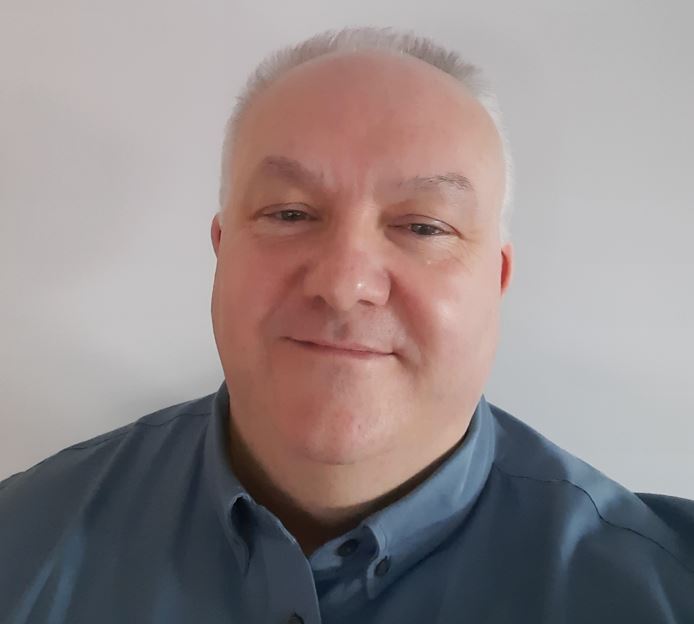
(Marc Sutton, Managing Director of the Medicines Manufacturing Centre) What is the Medicines Manufacturing Centre? The Medicines Manufacturing Centre is a new NHS facility that will make medicines for hospitals across our region.
We will produce large numbers of medicines that are used every day, including cancer treatments, antibiotics and other medicines given by injection.
The aim is simple. We want to make sure patients can get safe, high-quality medicines when they need them.
Why was the MMC established? Demand for medicines is growing every year.
Many NHS pharmacy units are already very busy, so we needed a new way to meet future demand.
The MMC will help increase capacity and make the medicines supply more reliable. It will also support NHS organisations across the region by working together as one network.
Why is the MMC such an important project for the NHS? This project is about helping patients and supporting NHS services.
The centre will make medicines on a larger scale. This will help hospitals get the products they need and reduce pressure on local teams.
It will also help the NHS become more efficient and make better use of resources.
Who owns and operates the MMC? The MMC has been developed by NHS organisations across the North East and North Cumbria.
Eight NHS trusts have worked together to create the facility through the region’s Provider Collaborative.
It will be run as an NHS service, with a strong focus on quality, safety and patient care.
How does the MMC benefit patients? Patients will benefit from a more reliable supply of medicines.
Many treatments will be prepared before they reach hospital wards. This can help patients get their medicines more quickly.
The centre will also help make sure important medicines are available when patients need them.
What benefits does the MMC bring to the NHS? The MMC will save time for healthcare staff.
Many medicines currently need to be prepared in hospitals before they can be given to patients.
By producing ready-to-administer medicines, we can reduce this work and allow staff to spend more time caring for patients.
The centre will also help hospitals use their resources more effectively.
How will the MMC help make medicines supply more resilient? A reliable supply of medicines is essential for patient care.
The MMC will add extra manufacturing capacity to the NHS.
This means we will be better placed to deal with future challenges and help protect the supply of important medicines.
What does the MMC mean for the North East and North Cumbria? This is a major investment in our region.
The centre will support healthcare services, create jobs and bring new skills to the area.
It also shows what can be achieved when NHS organisations work together towards a shared goal.
Has the MMC created jobs? Yes.
The facility is expected to create around 150 jobs in areas such as manufacturing, quality control, logistics and management.
These roles will offer new opportunities for people across the region.
How will the MMC support skills, training and career opportunities? The centre will provide training and development opportunities for staff at all levels.
We want to help people build careers in medicines manufacturing and healthcare.
The MMC will also support the growth of specialist skills within the North East and North Cumbria.
What medicines and other services will you be providing for the region? We will produce a range of medicines used in hospitals every day.
This includes cancer treatments, antibiotics and other injectable medicines.
We will also provide specialist services such as medicines testing and quality assurance to help ensure products are safe and effective.
Will you be providing medicines and services outside the region? Our first priority will always be patients in the North East and North Cumbria.
However, the centre has the potential to support healthcare organisations outside the region in the future.
Any such work would help strengthen medicines supply across the wider NHS.
What have been some of the complexities of delivering this project? Building a medicines manufacturing facility is a complex task.
We have had to design a specialist building, install advanced equipment, recruit a new workforce and meet strict regulatory standards.
We have also brought together a number of organisations to work towards a single goal.
That takes time, planning and teamwork.
What excites you most about the future of the MMC? The thing that excites me most is the impact on patients.
Everything we do is focused on helping people get the medicines they need.
The MMC will support patient care, create skilled jobs and strengthen healthcare services across our region.
We are building something that will make a real difference for many years to come.
The Medicines Manufacturing Centre is a major investment in the future of healthcare across the North East and North Cumbria. Once operational, it will help provide a reliable supply of vital medicines, support NHS staff, create skilled jobs and strengthen medicines manufacturing in the region. By bringing NHS organisations together to deliver this innovative facility, the MMC will help ensure patients continue to receive safe, high-quality care for many years to come.
|
|||
|